The reality of relocating to the UK: A South African mom's story
From navigating paperwork, schools and cultural differences to building a new community and finding a sense of belonging, Jessica Baxter shares the lessons, challenges and rewards of creating a new life in the UK while staying connected to her South African roots.
 Guest Writer ● Jun 15, 2026
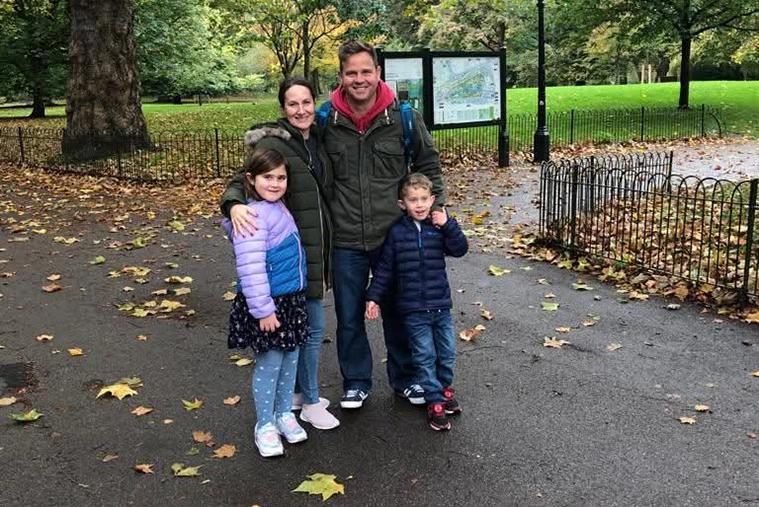
Five years ago, my husband and I packed up our lives in South Africa, took our two young kids and moved to the UK on a UK Ancestry visa. This past week, I’ve found myself reflecting a lot on that journey. How it started, what it cost us and how much we’ve grown along the way.
Our move happened right in the middle of Covid. We were on one of the last flights out of South Africa just after the country had been red-listed and when we landed at Heathrow, we were taken straight to a quarantine hotel. Not exactly the soft landing we had hoped for.
Instead of settling into our new life, we spent 11 days locked in a room with two small children.
It was chaos.
But somewhere between rationing snacks, negotiating sibling disputes and staring longingly out the hotel window (which didn’t open I might add), we had time to think about everything waiting for us on the other side.
And there was a lot.
Find a house to rent.
Open a bank account.
Get a UK cell phone number (or “mobile,” as they call it here).
Register with the NHS.
Find a doctor.
Apply for schools for the kids (more on that later).
Exchange our South African driver’s licences.
Apply for National Insurance numbers.
The list goes on.
None of it was particularly difficult, but all of it was painfully time-consuming.
Practical advice for South Africans
My advice to those moving to the UK from South Africa? Put your to-do list in order of priority and work through it one step at a time. Rome wasn’t built in a day and neither will your new life in the UK be.
It takes time.
Moving abroad is a long-term investment – financially and emotionally. The visa process alone takes months and costs about as much as a deposit on a house. Honestly, getting an immigration expert to help is worth every cent. Yes, it’s another expense, but it saves your sanity and helps you avoid expensive mistakes.
Then comes the actual move: paying six months’ rent upfront when you’re new to the country (sometimes more), setting up a home and, if like us you decide not to ship anything over, furnishing an entire place.
Reality check: when you move to the UK, you divide your wealth by a lot. You quickly go from shopping at Woolies to pricing kettles like they’re luxury items.
But money is only one part of it.
The emotional cost is much bigger.
Saying goodbye to family and friends is hard. I speak to my mom every day, but it’s not the same as arriving at her house for a mid-week glass of wine and a home-cooked meal.
When you move with children, that emotional weight feels even heavier. How do you explain that you’re taking them away from everyone they love and everything they know?
Some days, it’s hard making sense of it for ourselves.
Routines help with settling in
Creating new routines helps.
For kids, that usually starts with school. But be advised: timing matters. The academic year here starts in September and the year group your child is placed in can make a huge difference to their experience of UK schooling.
When I applied for Reception (Grade R) for my son, I was shocked when he was offered a place in Year 1 instead, based purely on his birth date. He had literally just turned five. His educational experience up to that point consisted mostly of singing the alphabet (not very well, I might add).

But I was told, very firmly, “the rules are the rules.”
That’s something you get used to here. Systems are systems. Rules are rules. It can be frustrating and I definitely banged my head against the bureaucratic box-ticking more than once, but I also understand that it’s part of what makes things work.
While state school is free, which is a big bonus, after two years we decided it wasn’t the right fit for our two. Smaller class sizes, access to sports and, most importantly for my son, the option to stay back a year so he wouldn’t spend his entire school career playing catch-up, led us to choose an independent (private) school. Our bank balance isn’t thrilled, but our kids are thriving.
That said, I understand that private school isn’t an option for everyone and there are some excellent State schools around. The secret is finding them. My suggestion is to choose where you’re going to live wisely. Just like in SA, it all works on catchment basis. Ofsted reports serve as a good guide, but also speak to people who live in the neighbourhood and ask a lot of questions. Local insight matters.
For my husband and I, starting work felt a bit like going back to school.

Things operate differently here.
Business is serious. There’s far less of the South African “we’ll make a plan” energy and a lot more structure, systems and meetings that could have been emails. People arrive on time, diaries are booked weeks in advance and “let’s grab a quick coffee” somehow requires a calendar invite.
It took some adjusting.
Then there’s the language. Our South Africanisms make little sense to Brits. I learned this quickly after complimenting a colleague on their “pants,” which they understood to mean underwear. Awkward.
There are a lot of awkward moments when you move to the UK.
Calling traffic lights “robots,” roundabouts “circles,” and trying to put petrol in your own car – something I’m slightly ashamed to admit I still avoid if possible. What can I say, some people conquer immigration to the UK, I delegate petrol stations to my husband.
Moving countries is a steep learning curve. It tests you as individuals, as parents and as a couple.
You don’t just pick up your old life and place it somewhere new. Life abroad is different. You have to adapt.
Find your community
What made our landing easier was community. Not just with South Africans, either.
A lot of people move to the UK from South Africa only to seek out fellow Saffas, which I completely understand. There’s comfort in familiarity. But I’d really encourage you to widen your circle.
Some of the kindest people we’ve met have come from completely different backgrounds. People who invited us into their homes, helped with school lift clubs, drove us to the shops before we had a car and made us feel less alone. That kind of support matters.
Remember your reason
Ultimately, the move becomes what you make it.
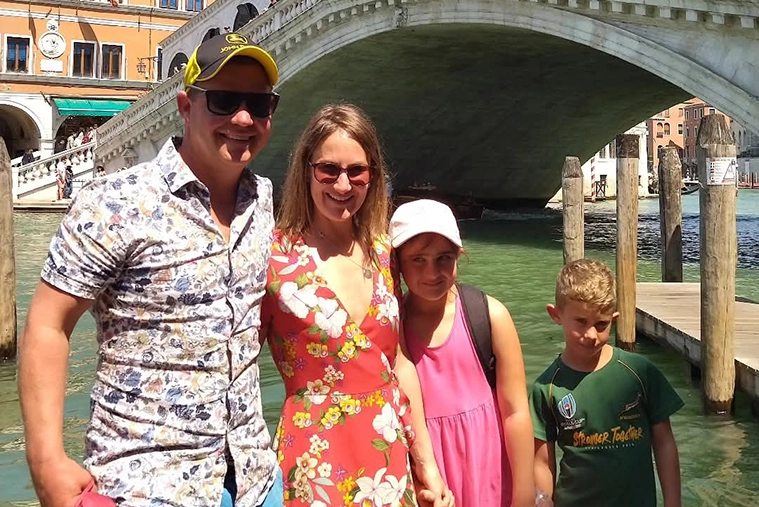
For us, the UK offered better opportunities – for our careers, for travel and for building a different kind of future for our kids. We were never chasing a passport, but I’ll be honest, when we finally got our British citizenship, it felt like more than just paperwork. It was proof that the sacrifices, the homesickness, the financial pressure and all the hard days had led to something meaningful.
When you move to the UK, you start over in so many ways. You rebuild from scratch: your home, your routines, your friendships, your sense of belonging and even your confidence at times. There are moments when you wonder whether all the stress, the expense and the distance are really worth it.
But then, almost without noticing it, things begin to shift. Your new life takes shape.
You see your children happy and thriving, exposed to opportunities and experiences they may never have had otherwise. You find your people. You explore Europe every summer thanks to short flights and budget airlines. You find your feet in your career again and the professional wins feel like quiet confirmation that you made the right decision.
That’s when the tough times suddenly make sense.
When you first arrive, you can’t see any of this. You’re deep in the trenches, weighed down by paperwork, relying heavily on Google Maps and surviving on adrenaline and blind optimism. But eventually you come up for air. You look around and realise those early struggles weren’t just something to get through. They were the foundation of everything you’ve built since.
At the end of the day, moving is deeply personal. People will have their opinions. Let them. Whatever your reason for doing it, make sure it’s yours. Don’t be swayed by politics, pressure or the fantasy of greener grass. Because when things get hard – and they will – you’ll need to remember exactly why you chose this.
Most importantly, be patient. The transition is real and it cannot be rushed.
Five years into our life in the UK and I can honestly say I feel settled. That doesn’t mean there aren’t difficult days.
Missing family never gets easier. Craving South African sunshine in the teeth of a brutal UK winter doesn’t magically disappear. Missing the chaos, the colour and the heartbeat of the Rainbow Nation still hits hard.
Some things stay with you. And honestly, they should. Because moving abroad changes a lot, but it doesn’t change who you are or where you come from.
You’ll still sing the national anthem with pride during every test match. You’ll still serve boerie at a BBQ, which you’ll stubbornly call a braai, and you’ll still walk barefoot the second the sun comes out.
As we tell our kids: your roots are in Africa and those roots run deep. The UK is our home now, but South Africa will always have our heart.
Planning a move to the UK with your family? Speak to our experienced immigration advisers for personalised advice and expert guidance on the visa route best suited to your circumstances. Get in touch with them on [email protected] or give them a call on +27 (0) 21 657 2180.


Cyber Essentials
Our Cyber Essentials certification reflects our ongoing commitment to cybersecurity best practices, ensuring that we safeguard sensitive data and operate with a high level of digital integrity.