Building futures beyond borders, now with greater global access.
Have you heard the news? We're changing to a new forex banking partner, giving clients access to more currencies, more routes, and greater flexibility when moving money internationally.
What this means for you:
- If you make an internet banking/EFT payment to our accounts, you will have to change the account details soon.
- If you were paying via debit cards, nothing changes.
For individuals
Send money abroad with confidence. We will ask for a few key details and, where possible, complete verification electronically.
Proof of identity
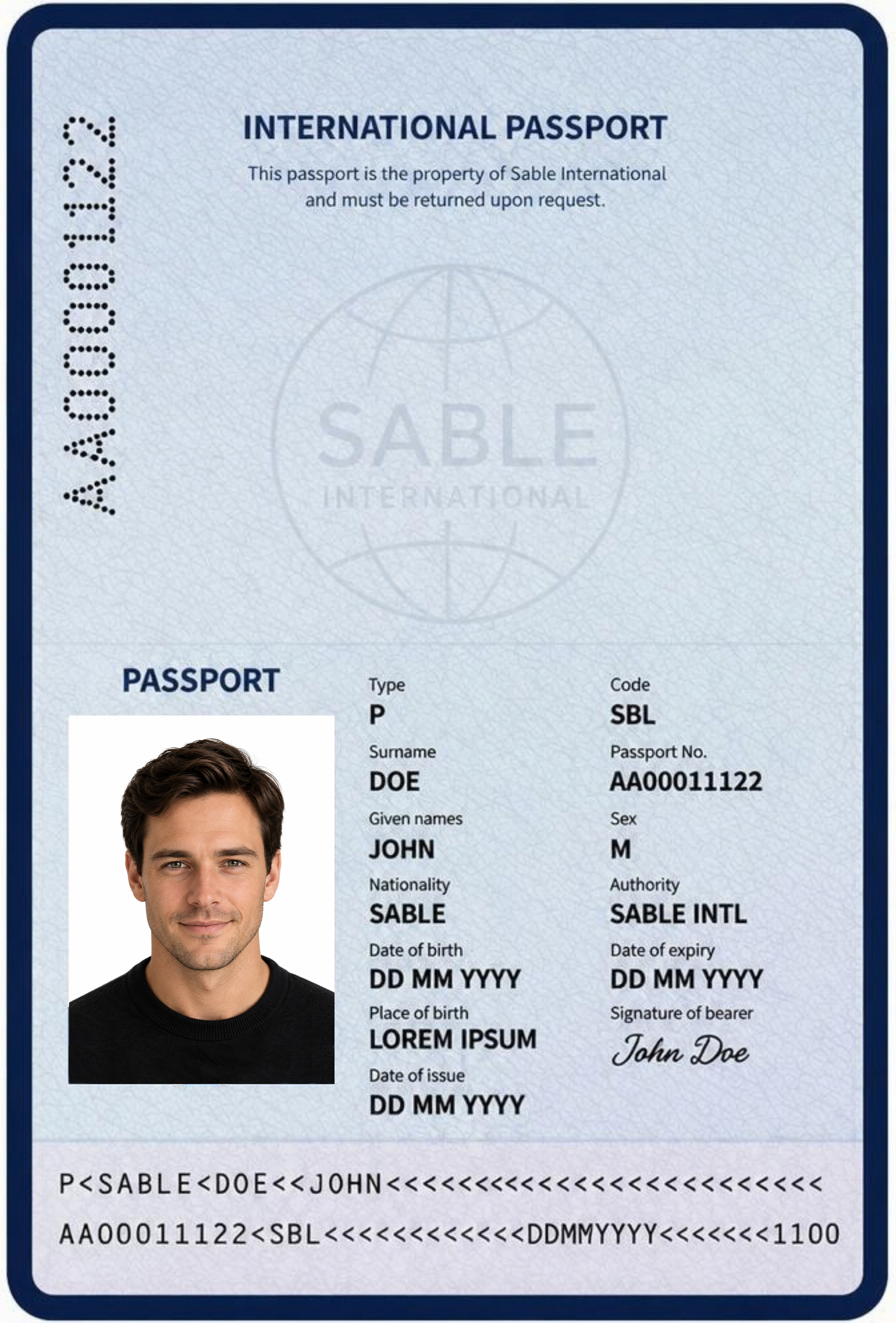
A clear colour image of a valid passport is usually best. Please make sure all four corners are visible and there is no glare.
Selfie
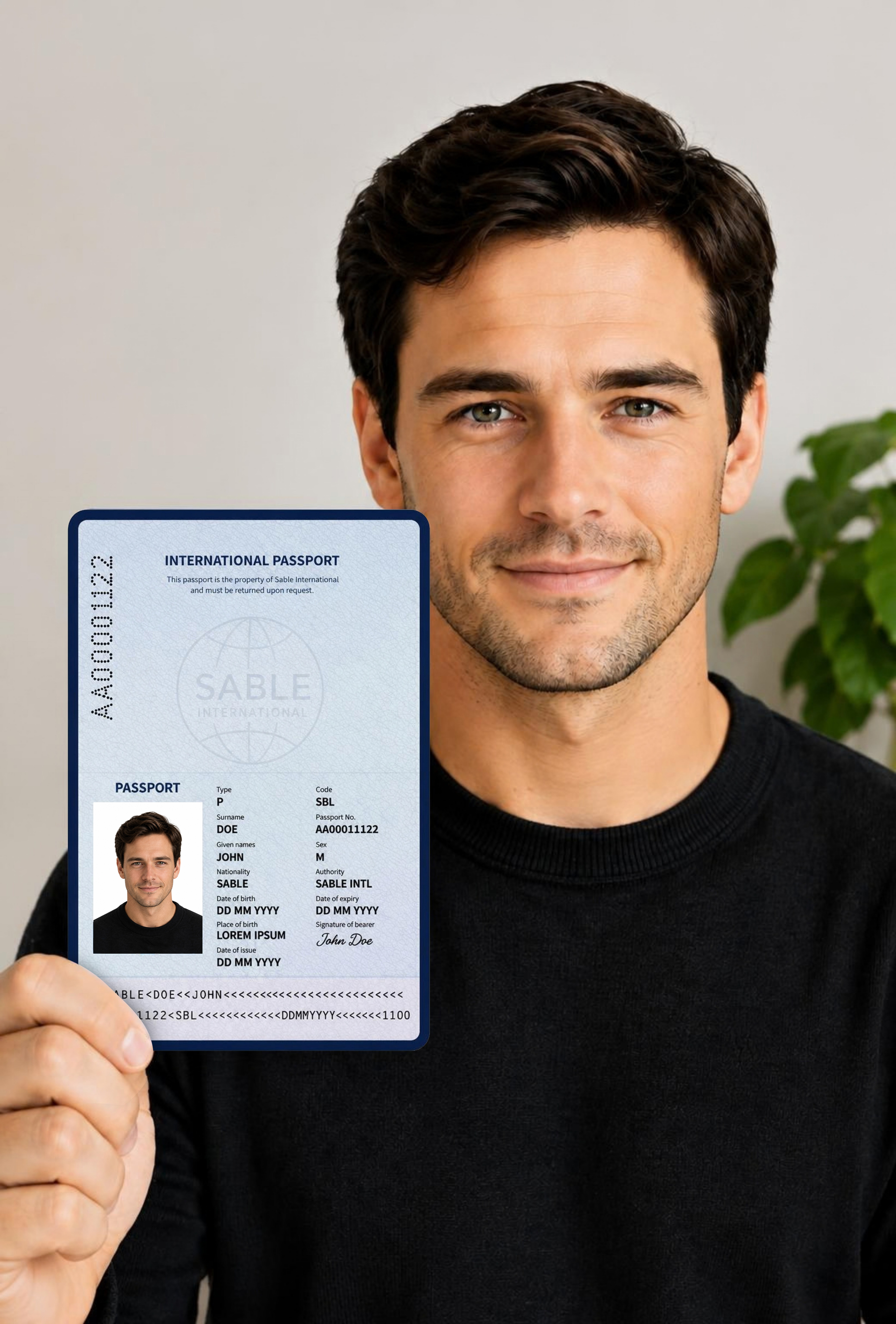
A selfie photograph of yourself holding up your passport, please make sure we can see your passport details clearly.
Proof of address
Please send a recent bank statement or utility bill in your name, dated within the last three months and showing your full residential address.
Source of funds
For larger payments, we may need confirmation of where the money is coming from. This is a normal regulatory requirement and helps us process your payment smoothly.
In most cases
A recent bank statement showing the funds in your account for the last month or two is usually enough. If the funds arrived recently, we may ask for a little more detail so we can confirm where they came from.
| Source of funds | Simple example | What usually helps |
|---|---|---|
| Savings from income | You have been saving from your salary over time. | A recent payslip and a bank statement showing the savings building up. |
| Investment or dividend payment | You have withdrawn funds from an investment or received dividends. | A dividend note, investment statement or screenshot, plus a bank statement showing the funds received. |
| Property sale | You sold a property and are transferring part of the proceeds. | A completion statement or signed sale agreement, plus a bank statement showing the proceeds. |
| Pension payout | You received money from a pension or retirement fund. | A pension statement, payout confirmation or screenshot, plus a bank statement. |
| Inheritance | You received money from an estate. | A will, grant of probate or executor letter, plus a bank statement showing receipt of funds. |
Not sure what to send?
Just tell us where the money came from and we will guide you. We will only ask for what is needed to keep your transfer moving.
For businesses
Manage global payments with a clear onboarding process. We will request the information needed to understand your business, ownership structure, and payment activity.
- Nature of business
- Certificate of incorporation
- Directors and >25% shareholders
- Company website
- Company organogram
- Company bank statement
Directors and shareholders
For each director and each shareholder holding more than 25%, we require a passport, proof of address dated within the last three months, and a selfie photograph of yourself holding up your passport. Please ensure photos are clear and visible, with no glare.
Authorised person
We require a passport, proof of address dated within the last three months, and a selfie with passport. Please ensure photos are clear and visible, with no glare
Business documents
Depending on the company’s structure and activities, we may ask for a three-month transactional bank statement, proof of company’s address, example sales invoices, or signed contracts and agreements showing the services or goods being provided.
Business source of funds examples
For company payments, we usually need to understand how the funds were generated and confirm that the payment makes sense for the business.
| Company source | Simple example | What usually helps |
|---|---|---|
| Funds already in the company account | The money has been accumulating in the business bank account. | A transactional bank statement showing the funds accumulating over roughly a month. |
| Sales income | The company is paying from revenue received for services or goods. | Relevant invoices and a transactional bank statement showing receipt of the funds. |
| Parent or inter-company transfer | Funds came from another company in the group. | Supporting invoices, agreements or inter-company records, plus bank statements. |
Compliance FAQs
01Why do you ask for KYC documents?
We are required to verify who our clients are before providing foreign exchange and international payment services. This helps keep payments secure and supports our anti-money laundering and counter-terrorist financing obligations.
02What does KYC mean?
03Why do you ask for source of funds?
04What is the difference between source of funds and source of wealth?
05Will you ask for source of funds every time?
06What if the money only arrived in my account recently?
07What if I do not have a passport?
08Why do you ask for a selfie with my passport?
09Why must proof of address be recent?
10What if I am renting?
11What if I live with my partner and the bills are not in my name?
- Your partner's passport or identity document
- A recent proof of address in your partner's name
- A signed letter or email from your partner confirming that you live together at the address
12I am at university. What can I use as proof of address?
13For businesses, why do you ask about directors and shareholders?
14What happens if I cannot provide a document?
15How do you keep my documents safe?
Get in touch
Cyber Essentials
Our Cyber Essentials certification reflects our ongoing commitment to cybersecurity best practices, ensuring that we safeguard sensitive data and operate with a high level of digital integrity.